Not All Who Wander Are Lost Bigfoot Review
As a designer who has spent years navigating the intersection of digital graphics and physical stitching, I approach every new file with a mix of excitement and skepticism. When Not All Who Wander Are Lost Bigfoot landed on my desk, it wasn't just another cute image; it was a potential centerpiece for a specific kind of handmade product line. The concept of a retro-styled cryptid set against the backdrop of a classic wanderer quote is undeniably catchy, but in the world of machine embroidery, catchiness isn't enough. We need clarity, durability, and a design that translates well from screen to fabric.
This review breaks down how this design performs when moved out of the digital realm and into real-world applications like custom apparel, boutique merchandise, and personalized gifts. I am looking at the practicalities of stitching density, the behavior of the lines on different fabrics, and whether this piece holds up as a professional asset for an Etsy seller or a hobbyist crafter.
The First Impression: Mood and Visual Personality
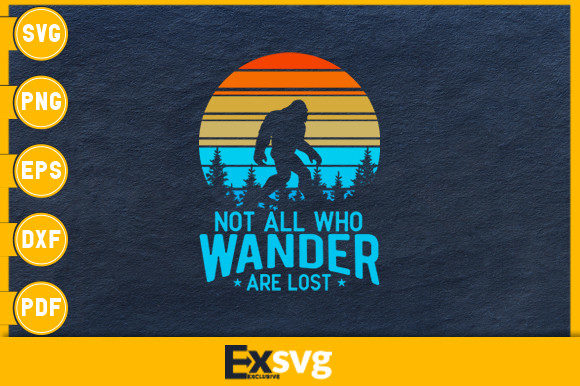
From the moment you open the files associated with Not All Who Wander Are Lost Bigfoot, the retro aesthetic jumps out. It avoids the generic clip-art look that plagues many low-quality digital downloads. Instead, it feels curated, like something you might find on a vintage camping poster or a worn-out band t-shirt from the 1970s. This mood is crucial because it dictates where the design fits best. It doesn't belong on a formal wedding dress or a corporate polo shirt; it belongs in spaces that celebrate adventure, humor, and the outdoors.
The layout balances the text "Not All Who Wander Are Lost" with the silhouette of the Bigfoot figure effectively. For an embroidery designer, the most important initial observation is the negative space. There are no overly intricate details hidden in the fur texture that would disappear once stitched. The shape is bold, which suggests it will hold its form even after multiple wash cycles. This is a design that screams "handmade product" without trying too hard, making it perfect for small business owners looking to create unique inventory for craft fairs or online shops.
Real-World Application: From Screen to Stitch
To truly understand the value of this design, we have to imagine it on a finished product. Let's say you are preparing a custom embroidered tote bag for a local hiking club event. You pull up Not All Who Wander Are Lost Bigfoot and center it on the canvas. The visual weight of the design is substantial enough to anchor the bag without overwhelming it. When stitched, the retro font likely creates a nice contrast against the rugged texture of the canvas, creating a tactile experience that customers love to touch.
Now, consider a sweatshirt project. If you were designing a collection for a winter holiday gift shop, this file could be a standout item. The theme of wandering fits perfectly with cozy, warm clothing. However, the success here depends heavily on your choice of thread colors. A deep forest green or a burnt orange thread would make the Bigfoot pop against a charcoal grey hoodie, whereas a black-on-black combination might lose the definition of the retro style. The design works beautifully as a chest pocket accent on a jacket or a large back print on a sweatshirt, serving as a conversation starter for anyone who spots it.
For those selling on platforms like Etsy, the versatility of Not All Who Wander Are Lost Bigfoot is a major selling point. It can be adapted for baby onesies, though you must be mindful of the scale. A smaller version of the design on a baby's hat or bib adds a whimsical touch that parents adore. It also translates well to kitchen towels and aprons, appealing to the "homebody adventurer" demographic. Whether you are creating an embroidered patch for a denim jacket or a decorative pillow cover for a cabin, the design offers a level of personality that generic floral patterns simply cannot match.
Where to Exercise Caution
While this design is robust, it is not without its challenges. Embroidery is a medium of limitations, and Not All Who Wander Are Lost Bigfoot requires careful placement to avoid common pitfalls. One area to watch closely is the use of small hoop sizes. If you attempt to stitch this on a tiny cap or a narrow strip of fabric, the detail in the text or the outline of the Bigfoot may become distorted. The curves of the letters and the contours of the figure need room to breathe; cramming them into a tight space often results in puckering or lost definition.
Fabric texture is another critical factor. Stretchy fabrics like jersey knits require extra stabilizer to prevent the design from warping during the stitching process. If you place this design on a thin, sheer material, the density of the stitches might show through to the other side, ruining the clean look of the finished product. Similarly, dark fabrics demand high-contrast thread choices. If the background is black and the design relies on subtle shading, the result might look muddy rather than crisp.
We also need to consider curved surfaces like caps. While possible, the curvature can stretch the fill stitches, making the text appear wider than intended. For commercial embroidery projects involving frequent washing, such as workwear or outdoor gear, ensure that the stitch density is sufficient to withstand abrasion. A loose running stitch might fray quickly on a backpack strap, so verifying the stability of the design before mass production is essential.
Design Notes for the Professional Creator
If you are planning to use Not All Who Wander Are Lost Bigfoot for your next big project, there are several technical steps you should take before hitting the start button on your machine. First and foremost, test the design on scrap fabric. This is non-negotiable. You need to see how the thread tension interacts with your specific fabric type and how the stabilizer holds everything in place. A quick test run can save you hours of frustration and ruined materials.
Review the stitch density carefully. High-density areas can cause the fabric to pucker if not properly supported. Ensure you are using the correct stabilizer for your project—cut-away for heavy garments and tear-away for lighter items. Inspect the small details in the file, particularly around the edges of the Bigfoot silhouette and the serifs in the typography. Sometimes, digital files have stray points that don't translate well to needle movement.
It is also wise to test the design in black and white mockups before committing to a full-color thread palette. This helps you visualize the contrast and ensures the design remains legible regardless of the thread color you choose. Furthermore, confirm the licensing terms before selling any finished items. Even though these are digital embroidery files, commercial rights vary, and understanding the rules protects your small shop from legal issues.
Final Thoughts on Value and Appeal
In the crowded market of digital assets, Not All Who Wander Are Lost Bigfoot stands out because it offers genuine character. It appeals to a specific niche of buyers who appreciate humor and the outdoors, making it a valuable addition to any catalog of design assets. For the creative entrepreneur, this file represents more than just a pattern; it is a tool for building brand consistency and engaging customers who share a love for quirky, adventurous themes.
When executed correctly, this design elevates the perceived value of a handmade product. It signals to the buyer that the creator put thought into the selection of the artwork, not just the act of stitching. Whether you are decorating a nursery wall hanging or creating a limited edition batch of tote bags, the visual appeal of this retro Bigfoot design is sure to generate interest. Just remember to respect the technical constraints of embroidery, test your setups thoroughly, and let the quality of your execution shine through. With the right approach, Not All Who Wander Are Lost Bigfoot can become a signature element in your portfolio of custom apparel and personalized gifts.