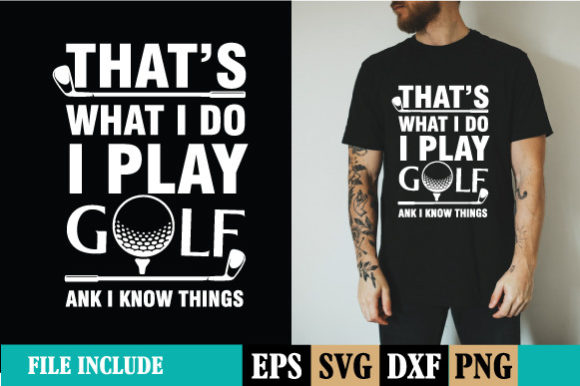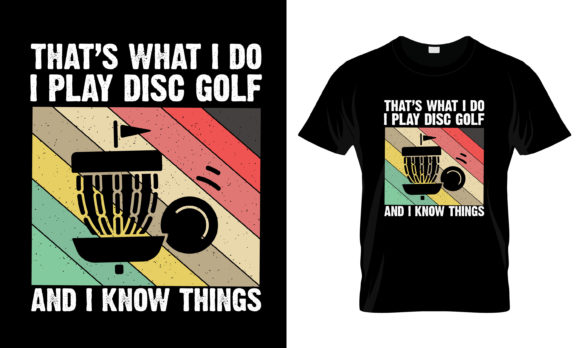
That s What I Do I Play Disc T-Shirt Review
When I first opened the file for That s What I Do I Play Disc T-Shirt, my initial reaction was a mix of amusement and practical assessment. As someone who spends hours tweaking stitch density and debating thread colors, I don't just look at the visual; I look at the construction. This design carries a distinct personality. It isn't just a generic golf quote; it feels like something that belongs on a well-worn cap or a high-quality sweatshirt after a round of 18 holes. The layout is straightforward, but in embroidery, straightforward can sometimes be tricky if the execution isn't sound.
The concept itself is perfect for the current market. Golfers are a passionate demographic, often looking for personalized gear that shows off their specific interests. This embroidery project hits that sweet spot between humor and identity. However, before I could recommend this for a client's custom apparel line, I had to run it through my mental checklist of real-world application scenarios. Would it hold up on a stretchy fabric? Would the text remain legible after a few washes?
Real-World Application: From Digital File to Finished Product
Imagine you are an Etsy seller preparing a batch of holiday gifts for a boutique. You have your Print Templates ready, and you are looking for a graphic that screams "funny gift" without looking cheap. That s What I Do I Play Disc T-Shirt fits this role beautifully. I visualized taking this embroidery file and applying it to a heavy cotton tote bag design. The contrast of the stitching against the canvas would give it a tactile, artisanal feel that customers love.
But let's talk about the more challenging applications. What if you wanted to use this as a baby embroidery piece on a onesie? The text size is likely substantial, which is good for visibility, but the font style needs to be carefully considered. If the letters are too blocky or the spacing too tight, the stitch density might cause puckering on thin baby fabric. For a small shop product like a kitchen towel or an apron, however, this design shines. The durability required for a kitchen environment pairs well with the robust nature of a fill stitch design.
I also considered using this for a commercial embroidery project, specifically on a structured cap. Curved surfaces like caps require precise digitizing to ensure the text doesn't distort. If the original digital embroidery file accounts for the curvature of the hat, this design could be a best-seller. The phrase "That s What I Do I Play Disc T-Shirt" (or variations thereof) acts as a conversation starter, making it highly effective for craft fair products where interaction is key.
Where Caution is Required
While the mood is right, there are areas where a designer must exercise caution. Small hoop sizes are a common pitfall. If you attempt to embroider this on a very small patch or a tiny accessory, the detail level might get lost. The text could become illegible, turning a clever message into a blurry mess. Similarly, textured fabrics can hide the intricacies of a satin stitch or running stitch. On a rough tweed or a heavily napped fleece, the definition of the disc shape and the lettering might not pop as intended.
Stretchy fabrics present another hurdle. If you are working with a polyester blend jersey for custom apparel, you need a stabilizer that matches the stretch. Without proper support, the tension of the threads will pull the fabric, distorting the alignment of the words. Dark fabric is another consideration. While the description mentions it is a great gift, you must ensure the thread colors chosen provide enough contrast. A light thread on a dark shirt is standard, but if the design relies on negative space or subtle shading, it may fail on black or navy backgrounds.
Dense stitch areas are also worth noting. If the design includes a large fill area for the disc or the text, it can create a stiff, uncomfortable feeling on the garment. For a finished product meant to be worn daily, comfort is paramount. If the back of the embroidery is bulky, it might irritate the wearer, leading to returns or poor reviews. Always inspect small details before committing to a full production run.
Visual Appeal and Customer Trust
The success of any handmade product often hinges on perceived value. A clean, well-executed design builds trust. When a customer sees a crisp, professionally stitched version of That s What I Do I Play Disc T-Shirt, they assume the entire brand is professional. Conversely, loose threads or misaligned text can undermine confidence in the maker. This design has the potential to elevate a simple t-shirt into a premium item, provided the execution is flawless.
In terms of brand consistency, this graphic works well for boutiques focusing on lifestyle and hobbies. It reinforces a community identity. Whether it is used for wedding gifts for a groom who loves golf or as a corporate giveaway for a sports club, the visual personality remains consistent. It says, "I know what I'm doing," which resonates with the target audience.
Practical Designer Notes for Success
Before you start stitching, here are some essential steps to ensure your embroidery design performs as expected:
- Test on Scrap Fabric: Never go straight to the final product. Run a test on a scrap piece of the same material to check how the stabilizer interacts with the fabric and how the tension holds up.
- Review Stitch Density: Look closely at the fill areas. If the density is too high, it may cause the fabric to pucker. If it is too low, the underlying fabric might show through, ruining the look.
- Check Thread Color Contrast: Compare your chosen thread colors against both light and dark fabric backgrounds. Use printable mockups to visualize the final result before spending time and money on production.
- Inspect Small Details: Zoom in on the lettering. Are the serifs clear? Is the kerning even? In a small hoop, these details can vanish.
- Confirm Licensing: Since this is a digital asset, verify the license terms. Ensure you are allowed to sell finished items created with this graphics package. Some files are for personal use only, while others allow commercial sales.
The file formats mentioned—SVG, EPS, and PNG—are versatile, allowing you to adapt the design for various uses, from direct embroidery digitizing to creating promotional images for your online store. However, remember that a vector file does not automatically translate to a perfect machine embroidery setup. You may need to convert these assets into a format compatible with your specific embroidery machine software.
Ultimately, That s What I Do I Play Disc T-Shirt is a strong contender for anyone looking to add a touch of humor and specificity to their inventory. It appeals to the golfer in all of us, whether we play seriously or just enjoy the social aspect. By paying attention to fabric selection, stabilizer usage, and thread choices, you can transform this digital template into a tangible, high-value product that customers will cherish.
For the craft business owner or the hobbyist maker, the key is preparation. Treat every design with the respect it deserves. Test, adjust, and refine. When done correctly, the result is not just a piece of clothing or a tote bag; it is a statement piece that reflects the skill and care of the creator. This design offers a solid foundation for that work, waiting for your expertise to bring it to life.